5 AMC 8 Test Day Tips That Actually Matter

I've coached a lot of students through AMC 8. And the frustrating part is that most points lost aren't from the hard problems. They're from careless mistakes on the easy ones.
The difference between a good score and a great score often comes down to test-taking habits, not math ability. Here are five things I tell my students before they walk into that room.

1. Create a checking routine for the first 10 problems
The early problems in AMC 8 are designed to be straightforward. But that's exactly where students get careless. They rush through, confident they got it right, and move on.
Don't do that.
Build a quick personal ritual before moving to the next problem. Reread what the question is asking. Double-check your arithmetic. Confirm your answer actually matches the question. This takes maybe five seconds per problem, but it saves real points.
The first ten problems are free points. Treat them that way.

2. Prepare for the waiting time before the test
Here's something most students don't expect: there's a surprisingly long wait at the test site before the exam starts. And you can't look at your phone. You can't read a book. You just sit there.

Most kids waste this time being nervous. Don't be most kids.
Before test day, decide exactly what you'll mentally review during that wait. Think about your weak spots. The types of mistakes you tend to make. Specific problem types that have tripped you up before.
Then, while you're sitting there waiting, visualize yourself solving those problems. Walk through the steps in your head. Remind yourself what to watch out for.
This mental rehearsal shouldn't be something you figure out on the spot. Prepare it in advance. Know what you're going to think about before you get there.
3. Eat something sweet right before the test

AMC 8 is a 40-minute sprint. Twenty-five problems. No breaks. Your brain burns through glucose fast when it's working that hard.
Having a piece of chocolate or some candy right before you start gives your brain fuel exactly when it needs it. It's a small thing, but it genuinely helps with focus and stamina during that intense window.
Don't overcomplicate this. Just have something sweet ready and eat it before you sit down.
4. After answering, verify you answered the right question
This sounds obvious, but it's one of the most common ways students lose points.
They do all the math correctly. They get the right number. Then they bubble in the wrong answer because the problem asked for perimeter and they calculated area. Or the question wanted the smallest value and they found the largest.

After you write down your answer, take two seconds to ask yourself: does this actually answer what they asked? Read the last sentence of the problem again if you need to. Make sure your answer fits.
Two seconds of checking prevents points lost to problems you actually solved correctly.
5. Read problems by visualizing, not skimming
The best way to read an AMC 8 problem is to build a clear mental picture as you go. Don't let your eyes skim over the words passively. Actually see the shapes. Picture the numbers. Imagine the situation described.
While you're constructing that image in your mind, focus on what the question is asking. What do they want you to find? Keep that target in your head the entire time you're working through the problem.
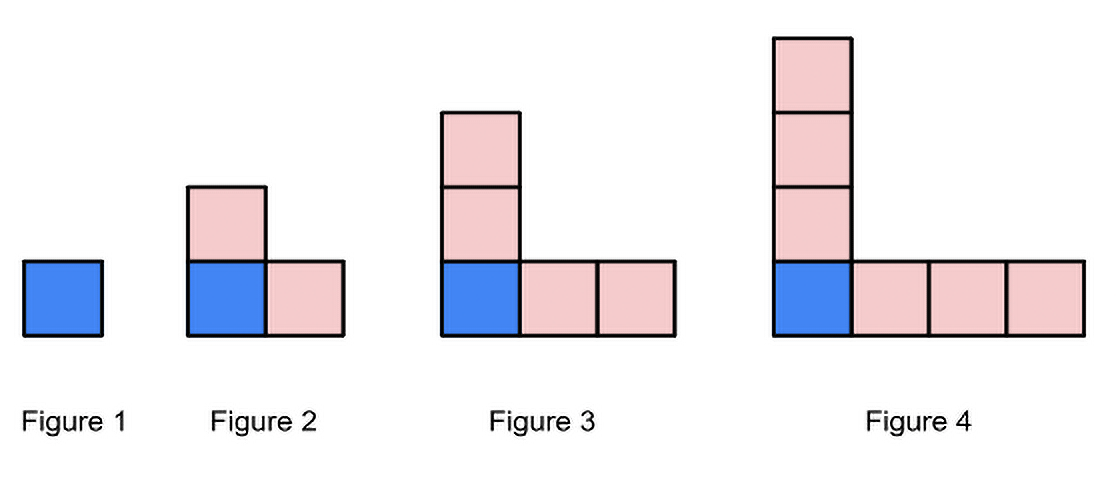
This sounds simple, but it changes how you engage with each problem. Visualizing forces you to actually understand what's happening, not just recognize keywords and guess at a method.
Final thought
None of these tips require you to be a math genius. They're about discipline and awareness. AMC 8 rewards students who think carefully, not just students who think fast.
The students who do well aren't always the ones who know the most math. They're the ones who don't give away the points they've already earned.

I'm a math coach at Think-Habits, and this is what I care about most. Going forward, I'll be sharing how AMC can help develop the problem-solving abilities that truly matter in the age of AI. My goal is to help you build the kind of thinking that will make a real difference in the world you're about to step into.
— Madison Chung