How to Study AMC 8: The Best Training Ground for Problem-Solving in the Age of AI

Most AMC 8 prep looks the same. Solve a bunch of problems. Check answers. Move on. Repeat until test day.

This approach misses the point entirely.
In an era where AI handles every calculation, problem-solving ability is the value that remains. And for training that ability in young minds, nothing beats AMC 8. When you study it the right way, real skills develop. Scores follow naturally.
Here's what I've learned from coaching students through this process.
First, the Why: Understanding How Valuable Problem-Solving Really Is

Before solving even a single problem, students need to truly grasp how valuable problem-solving ability is.
Let me put it plainly. The latest iPhone costs around a thousand dollars. A good gaming console, maybe five hundred. But problem-solving ability? You can't put a price on it. You can't buy it for ten thousand dollars. The only way to get it is to invest time and train.
In the age of AI, this ability becomes even more valuable. Calculation? Machines are faster. Memorization? Just search it. Following set procedures? That's getting automated. So what's left?
The ability to find your own path when you face an unfamiliar situation. The ability to create solutions when no one is there to give you the answer. AI can't do this for you. In 10 years, in 20 years, the gap between those who have this ability and those who don't will be far greater than it is today.

The latest iPhone becomes outdated in two years. But problem-solving ability compounds for a lifetime. Training this properly isn't like receiving a thousand-dollar gift. It's gaining a priceless ability you'll use forever.
AMC 8 trains exactly that.
This value needs to be communicated first. Students need to understand it. Teachers need to understand it. Both need to genuinely feel "ah, so that's why this matters" before starting. Not just a quick "problem-solving is important" and moving on. Have real conversations. Make sure it truly lands. Then open the first problem.
Enjoying the Process Matters More Than You Think
Here's something people underestimate: you have to actually enjoy this.
Not fake enjoyment. Genuine willingness to engage. When you're doing something you truly want to do, your brain works better. You notice more. You try more approaches. You don't give up easily.
When you're forcing yourself through something you hate, none of that happens. You just go through the motions. You want it to be over. Your best thinking never shows up.
That's why creating the right environment matters so much. The difficulty curve should challenge without crushing. The pace should allow real thinking, not just rushing to finish. There should be room to wonder, to question, to try things that might not work. Don't assign too much at once. When it's over, the feeling should be "I want to do this again."
If AMC 8 prep feels like punishment, something is wrong. Dial it back. Find the level where real engagement happens. A student who enjoys solving three problems learns more than one who suffers through twenty.
This isn't about making things artificially easy. It's about sustainable challenge. Hard enough to grow, but not so hard that it stops being worthwhile.
Method: Analyze Your Thinking, Not Just Your Answers
Now for how to actually study.

The typical approach goes like this: solve problem, check answer, read solution if wrong, move on. This is nearly useless for building thinking skills.
Here's what actually works.
When you get a problem wrong, don't just read the correct solution. Stop and ask yourself: what happened in my head? Where did my thinking diverge from the solution? What did I miss, assume wrongly, or fail to consider?
The point isn't to memorize the right method. It's to understand what in your reasoning process led you away from the answer.
Maybe you jumped to one approach too quickly without considering alternatives. Maybe you misread what the problem was asking. Maybe you got stuck because you didn't think to try a simpler case first. These patterns are specific to you, and finding them is where real improvement happens.
Once you spot a pattern, you can practice deliberately. You can train yourself to catch it before making the same mistake. Over time, new thinking habits form. New mental moves that work automatically.
The Role of a Good Coach
Let me explain what a good coach does here.
A good coach isn't someone who explains solutions. A good coach observes the recurring obstacles in how a student approaches problems. Things the student can't notice because they're too close to their own thinking.

A good coach names those patterns. Helps the student see them for themselves. Designs practice that targets them specifically. And guides enough repetition for new thinking habits to stick.
This role could be filled by a professional teacher. It could be a parent. If a student has developed enough metacognition, it could be themselves. What matters isn't who does it, but that the role exists. Someone needs to observe the patterns in your thinking, point out the habits that block progress, and help you shift toward better mental flows.
The Real Goal
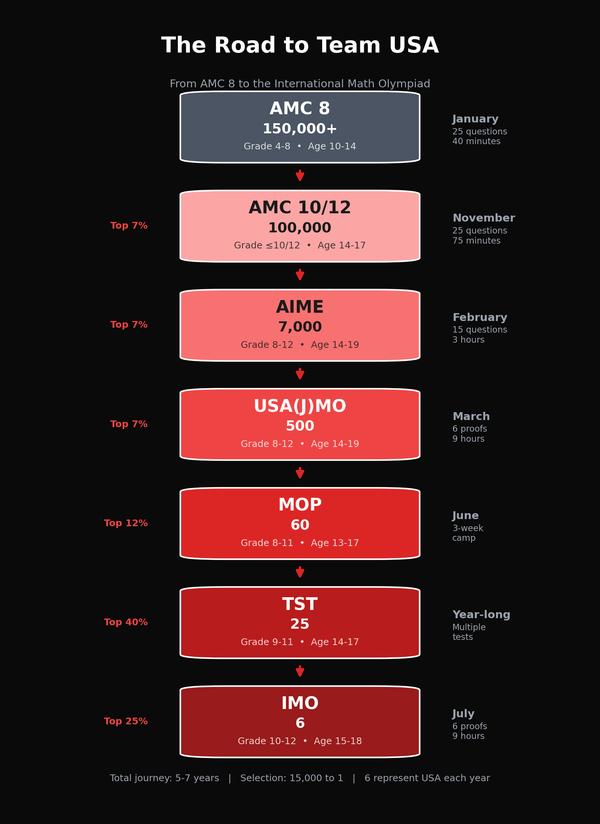
AMC 8 is 25 problems in 40 minutes. But studying for it should be slow, reflective, and focused on growth.
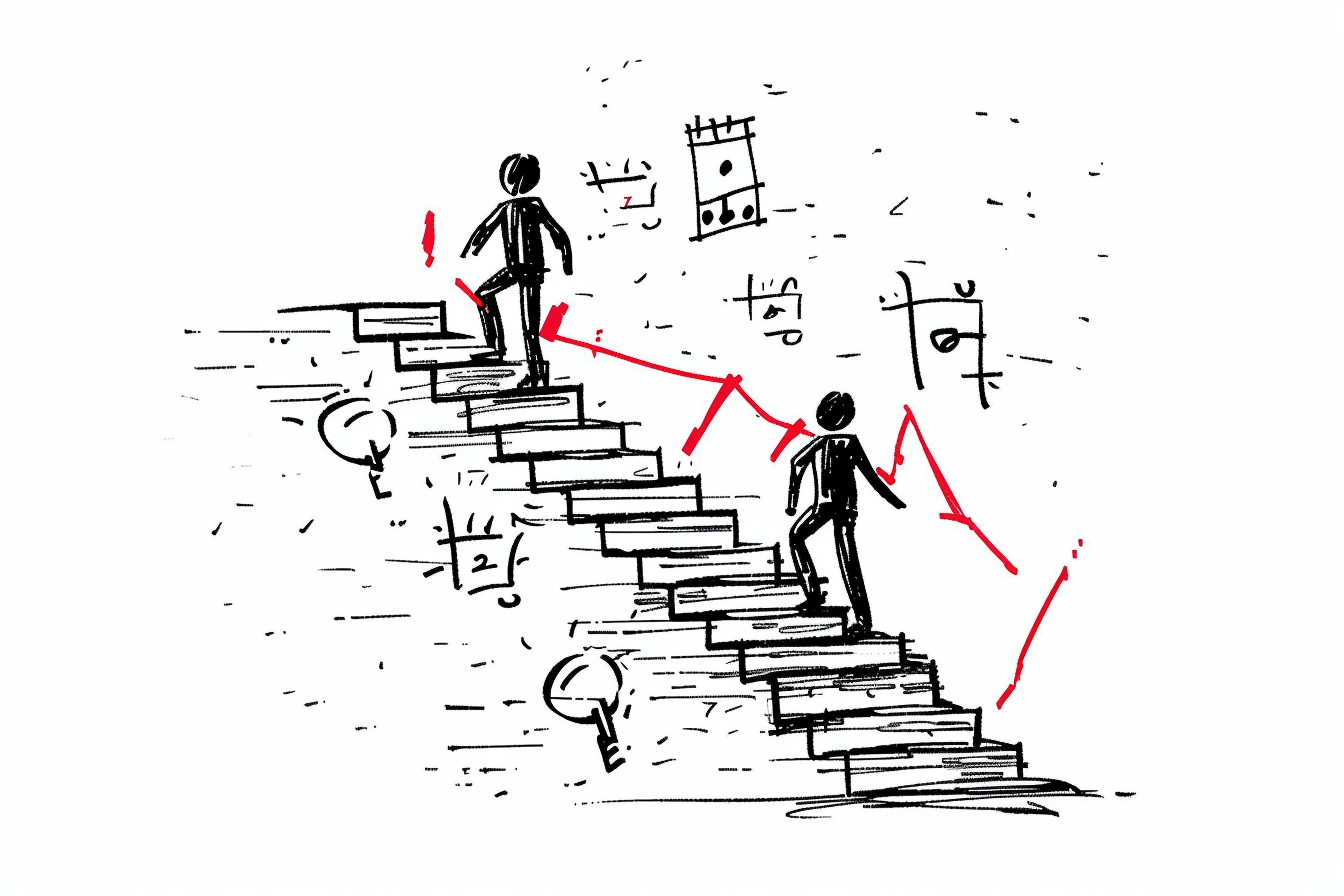
Rush through problems and you're just doing math. Slow down and analyze your thinking, and you're becoming someone with better thinking abilities.
That's the difference between using AMC 8 as a test and using it as a training tool. The test happens once a year. The thinking skills last a lifetime. And when those real skills develop, the scores take care of themselves.

I'm a math coach at Think-Habits, and this is what I care about most. Going forward, I'll be sharing how AMC can help develop the problem-solving abilities that truly matter in the age of AI. My goal is to help you build the kind of thinking that will make a real difference in the world you're about to step into.
— Madison Chung